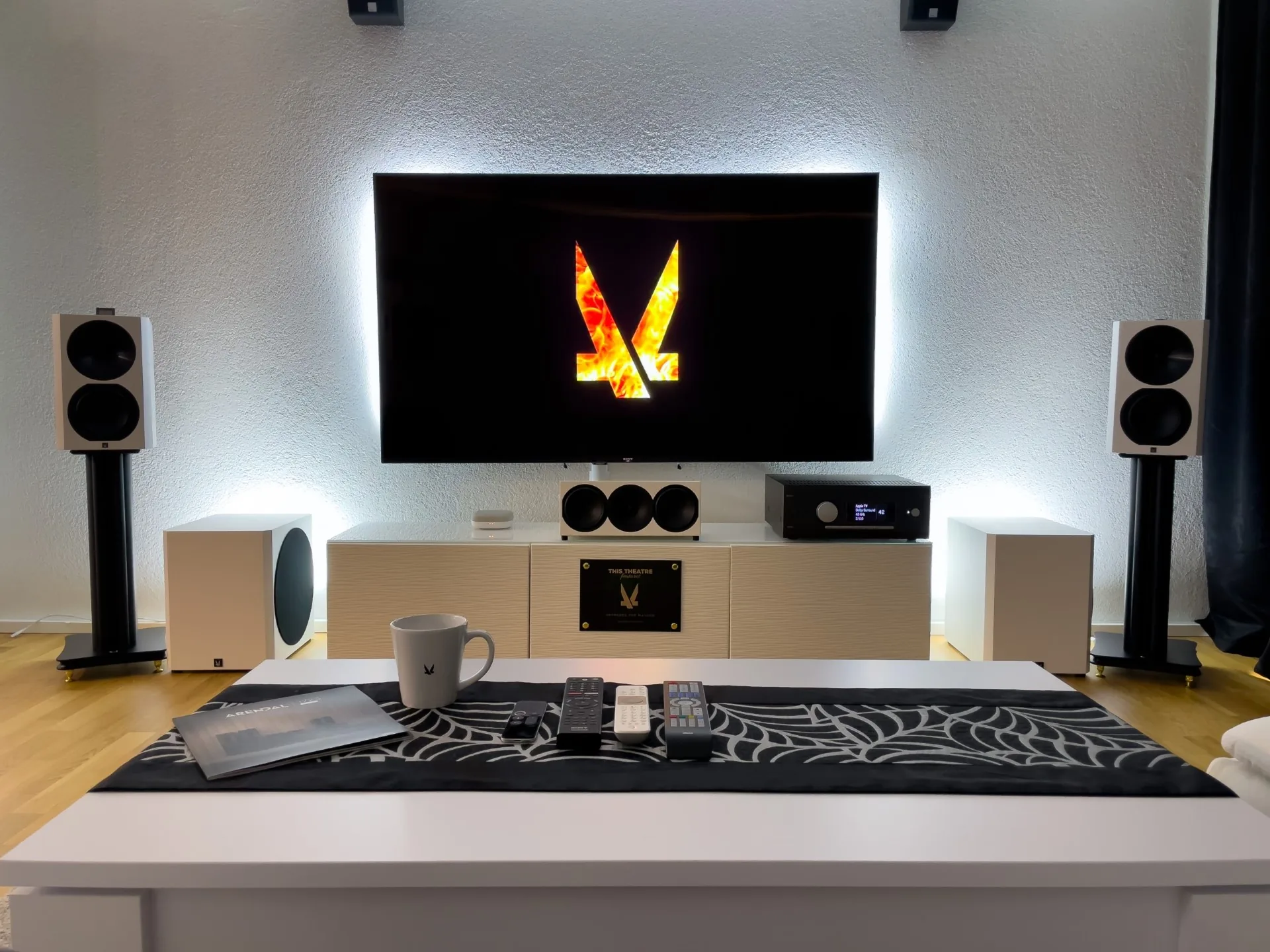
A small room can still feel like a cinema
In a smaller space, fewer, well-placed speakers often sound better than more.
Less Is More
The first step towards establishing a home cinema in a small space is acknowledging that room size plays a crucial role in the overall sound experience. Size not only dictates the positioning of your audio-visual equipment but also directly influences the quality of sound. This brings us to our first mantra: Less is more. If space is very limited, having fewer speakers will result in better sound quality than crowding your room with an excessive number. Too many speakers placed close together can lead to loss of channel separation, marring your immersive cinematic experience.
The Right Equipment
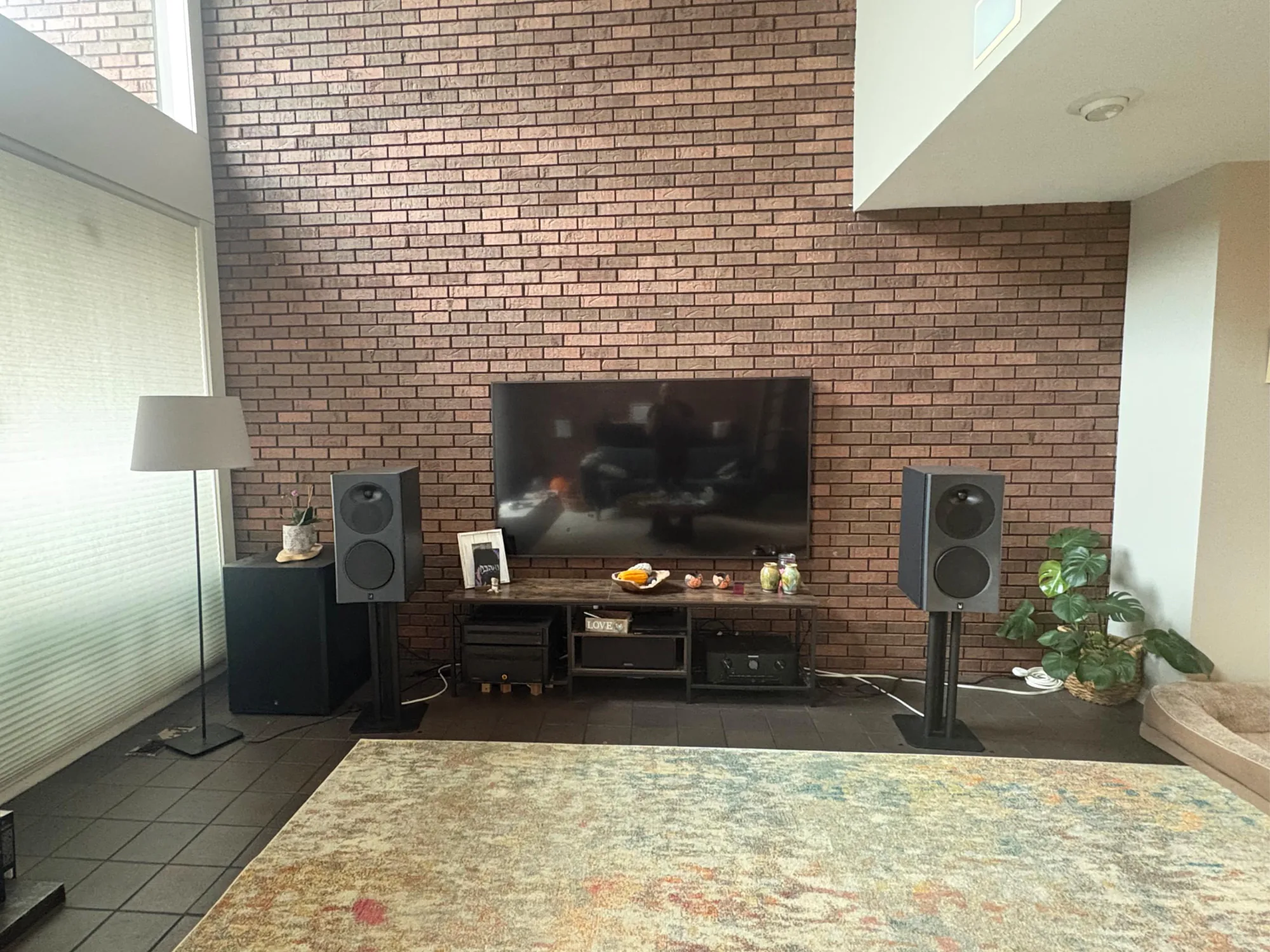
When it comes to selecting speakers for smaller spaces, smaller units often prove more efficient. These allow greater flexibility in placement, hence adapting better to limited space. They will, however, require the support of one or more subwoofers to compensate for their size. While integrating multiple subwoofers can be a bit challenging, it isn’t a problem for modern receivers that come with independent subwoofer outputs. The added benefit? More subs lead to a more even bass response. Keep in mind, smaller speakers necessitate higher crossover points; hence, additional subs will help to manage potential localization issues.
Seating and Screen
For the best viewing experience, make sure your seating isn’t flush against the walls. Ideally, the last third of the room should be behind you, providing the optimal environment for sound dispersion. Using a wall-mounted projector screen can save valuable floor space, and clever room design can further enhance your home theatre experience.
Light and Sound
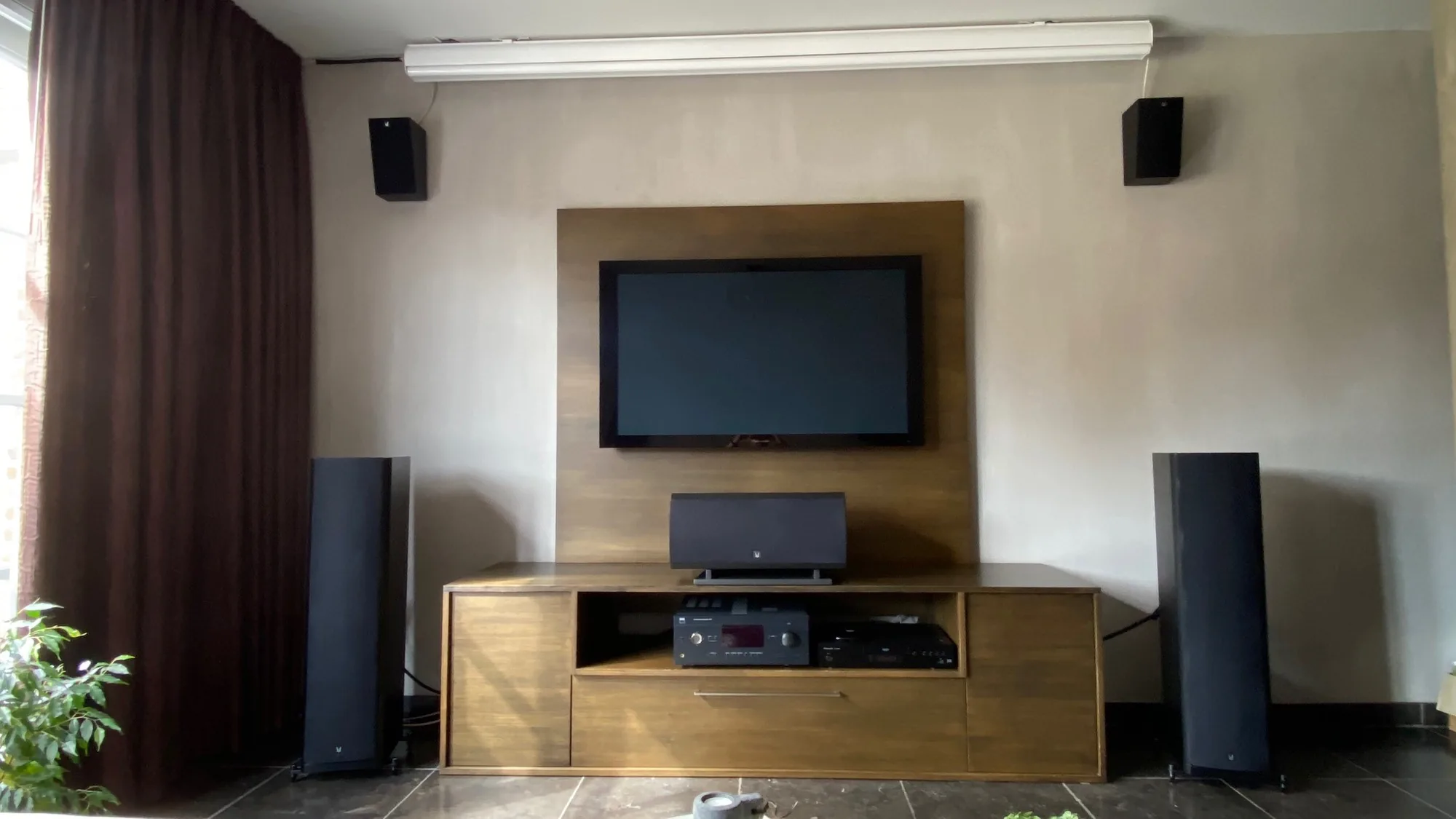
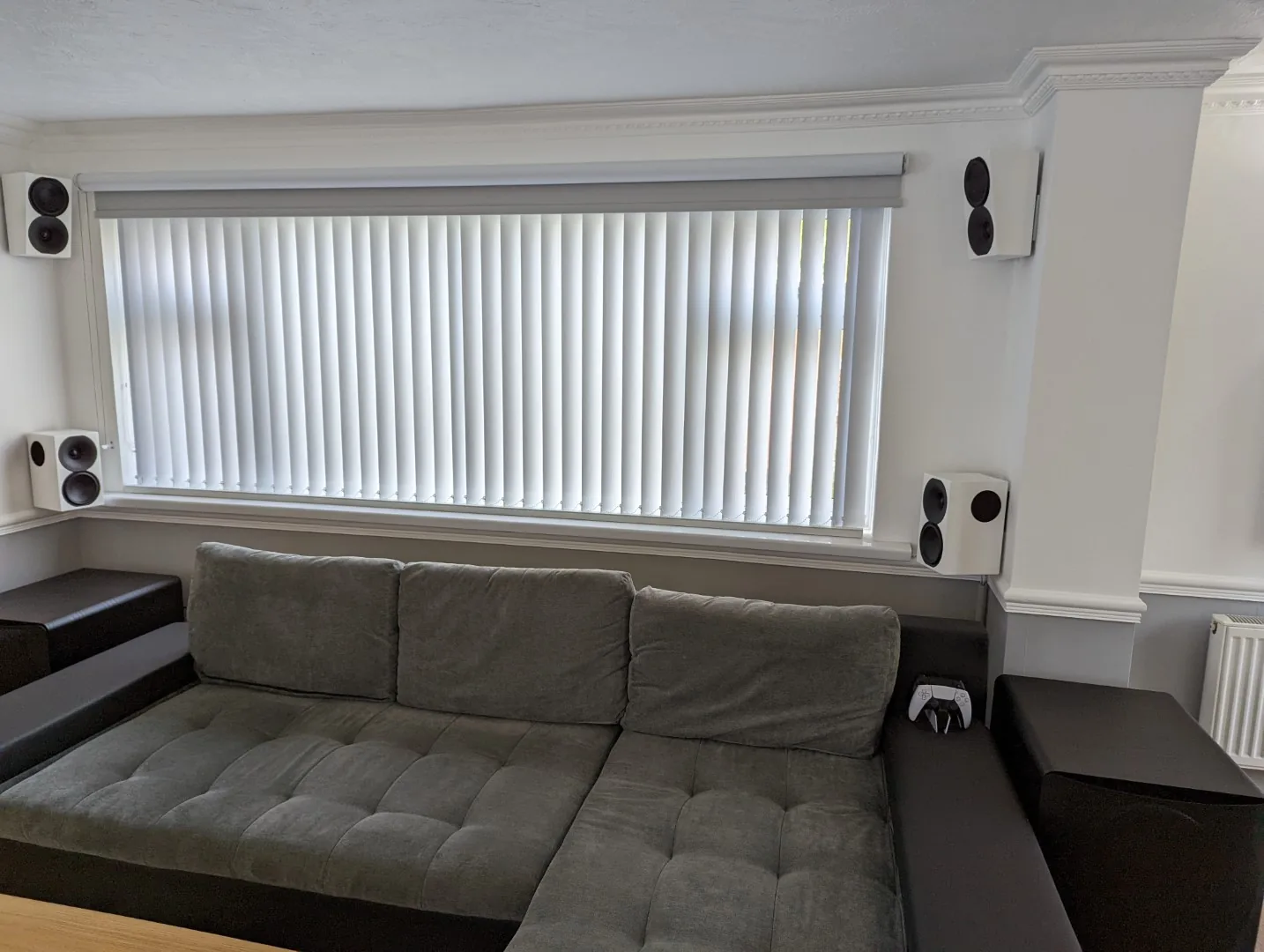
Lighting and soundproofing are two significant aspects to consider when setting up a small home cinema. Thick curtains not only block light, creating an authentic cinema experience, but they can also work as sound absorbers, improving room acoustics. For an added personal touch, consider making DIY acoustic panels with custom prints. This creative solution will enhance both the aesthetics and the sound quality of your room.
Furniture That Does Two Jobs
Leveraging multi-functional furniture is an efficient way of maximizing limited space. A sofa-bed, for instance, can be a practical addition to your home cinema. This serves the dual purpose of providing comfortable seating and the possibility of an extra guest-bedroom when needed. Thick curtains, as mentioned before, can also serve dual roles – blocking light and improving acoustics.
Projector Placement
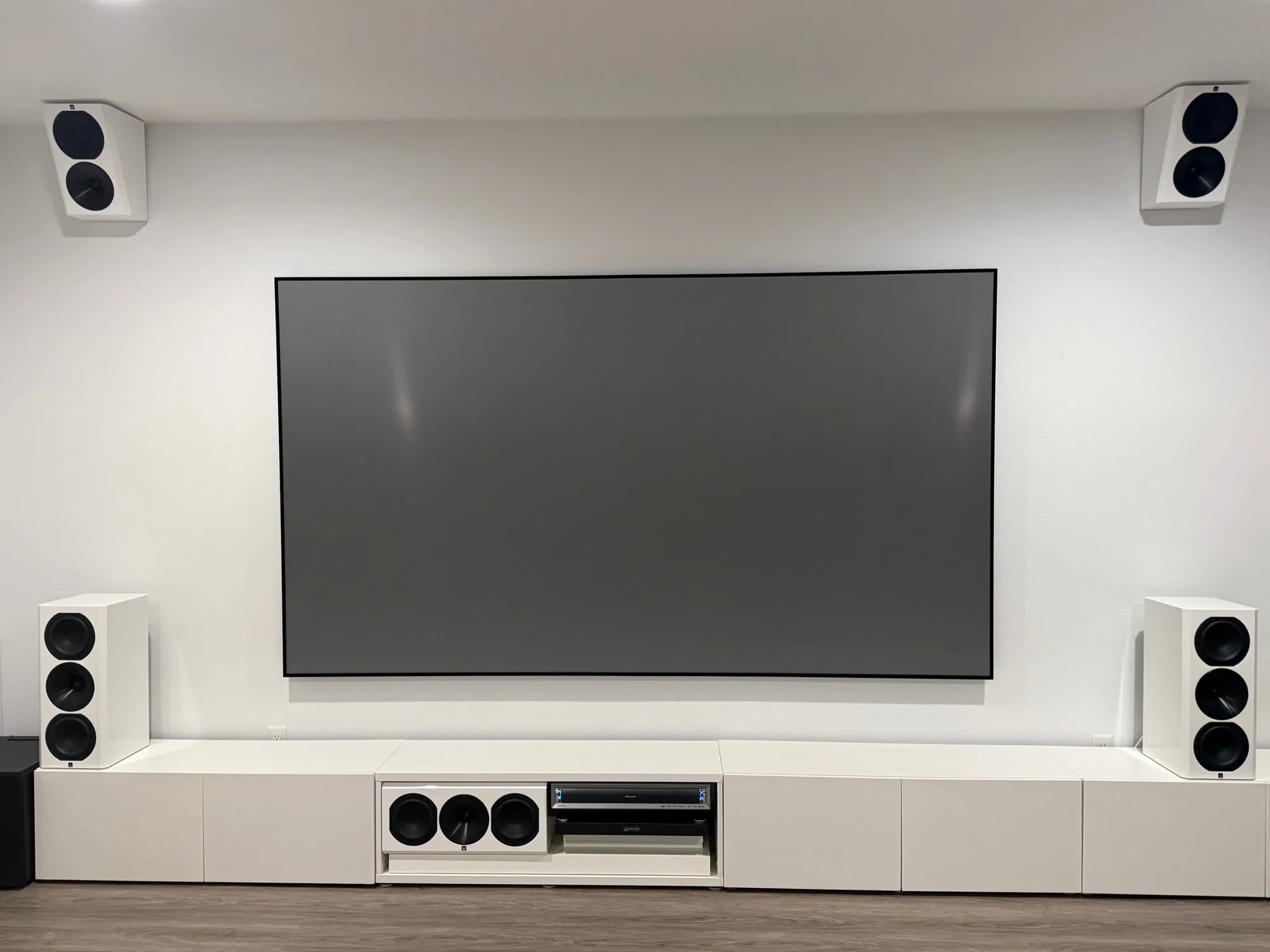
When it comes to projectors, ultra-short-throw models are ideal for smaller rooms. These provide excellent picture quality while taking up minimal space, thus making them a preferred choice for limited areas.
Free Up the Floor
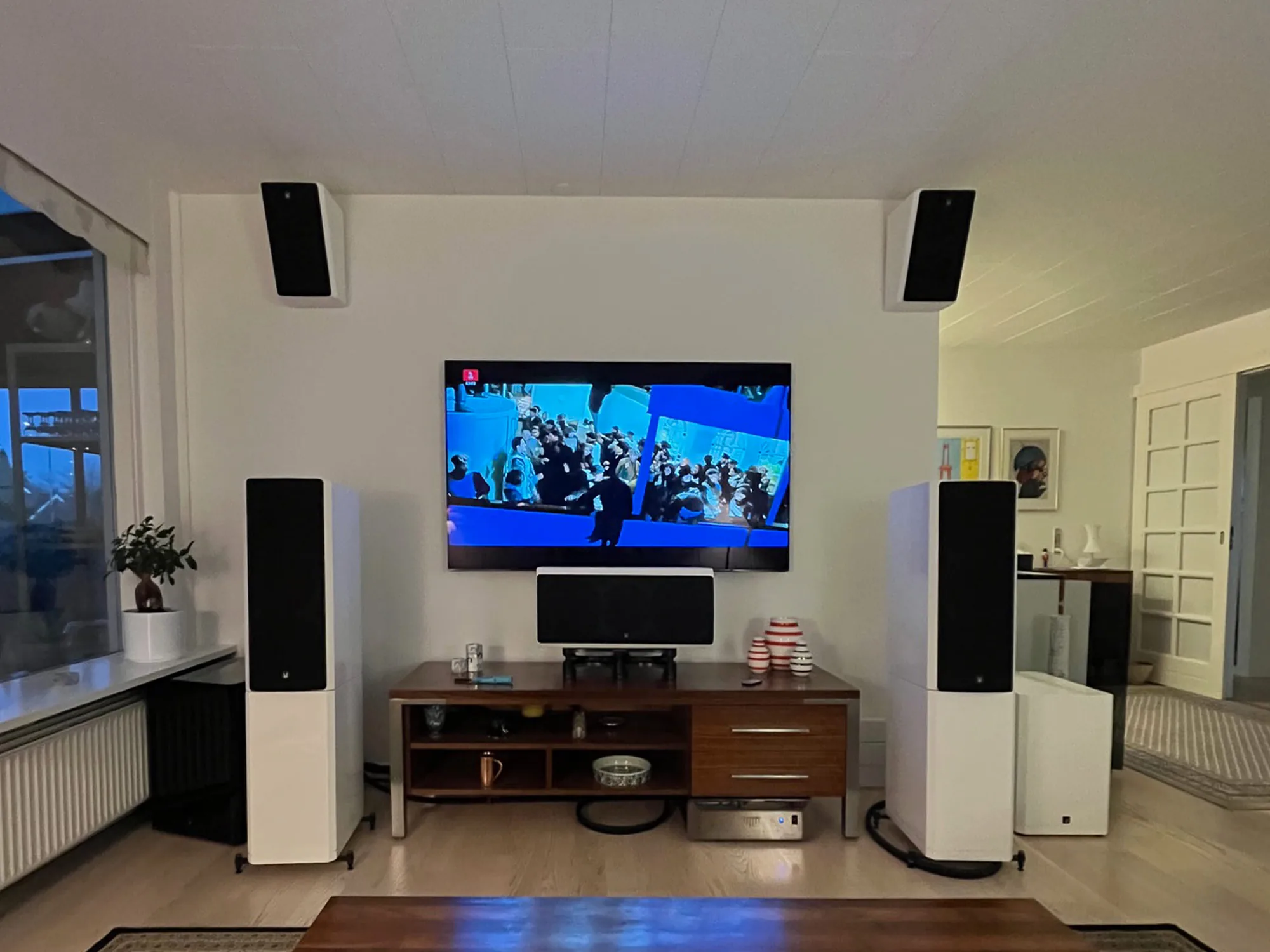
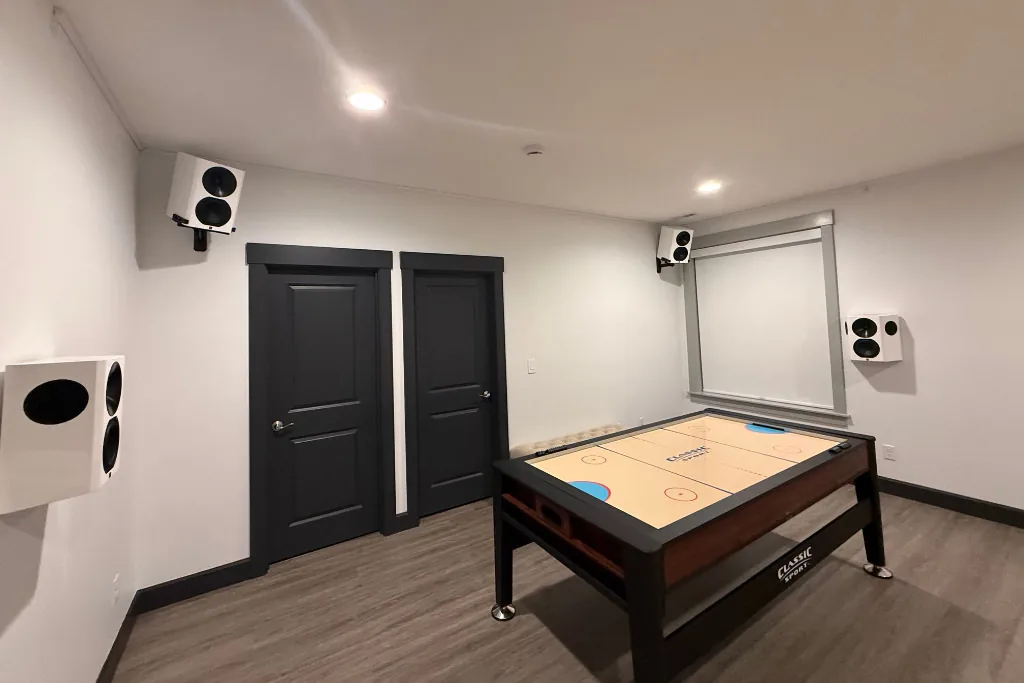
Consider wall mounting speakers with tilt/swivel mounts to free up floor space while ensuring great channel separation and directivity. This advanced solution not only overcomes space limitations but also significantly enhances your home cinema’s sound quality.
Make the Most of Your Room
The size of your room doesn’t limit your cinema. Tell us about your space, and our support team will help you choose and place the right speakers.