Get your home theater layout right
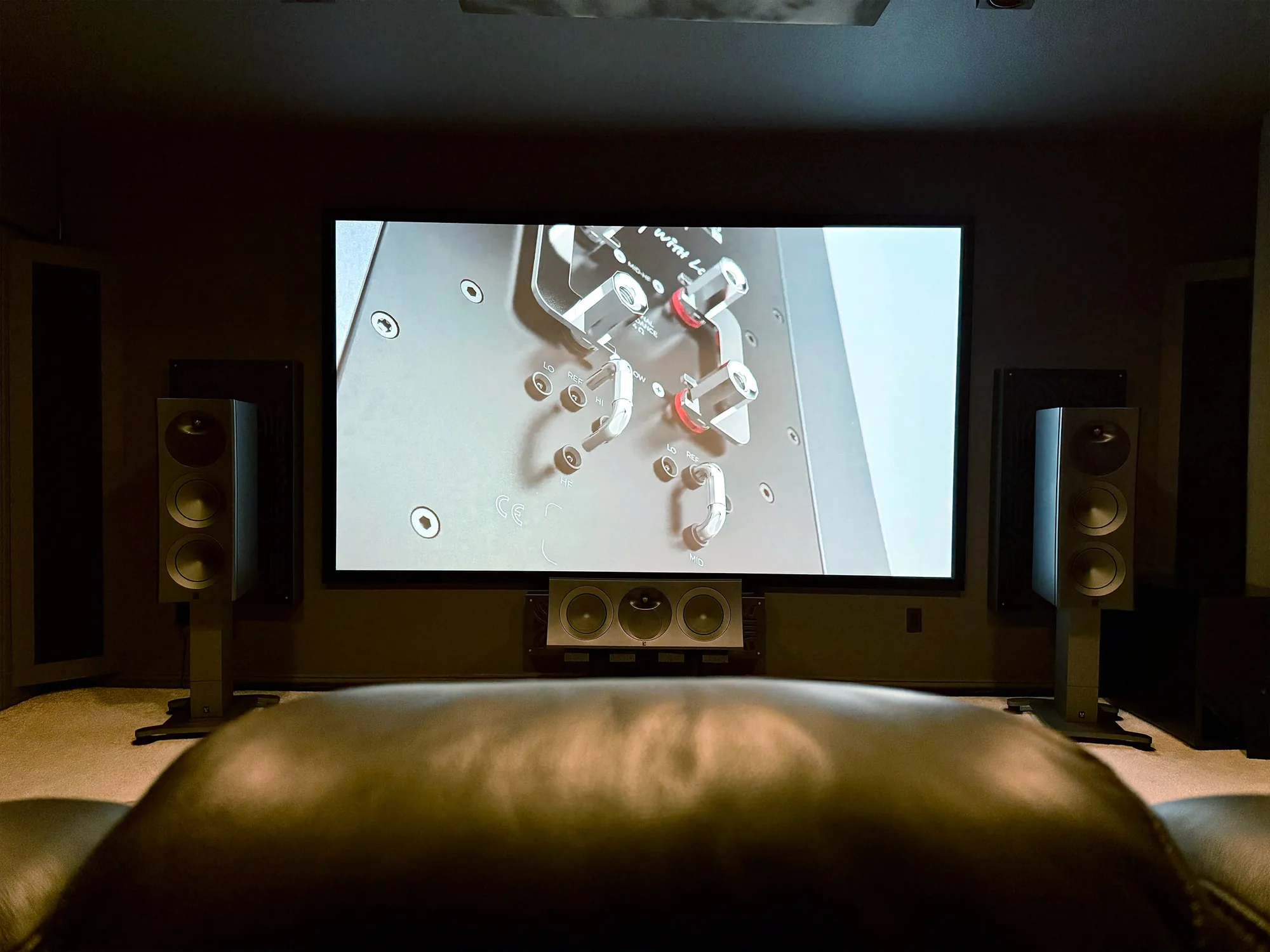
Where you place your seats and speakers makes a real difference to how immersive the room feels.
Why Your Layout Matters
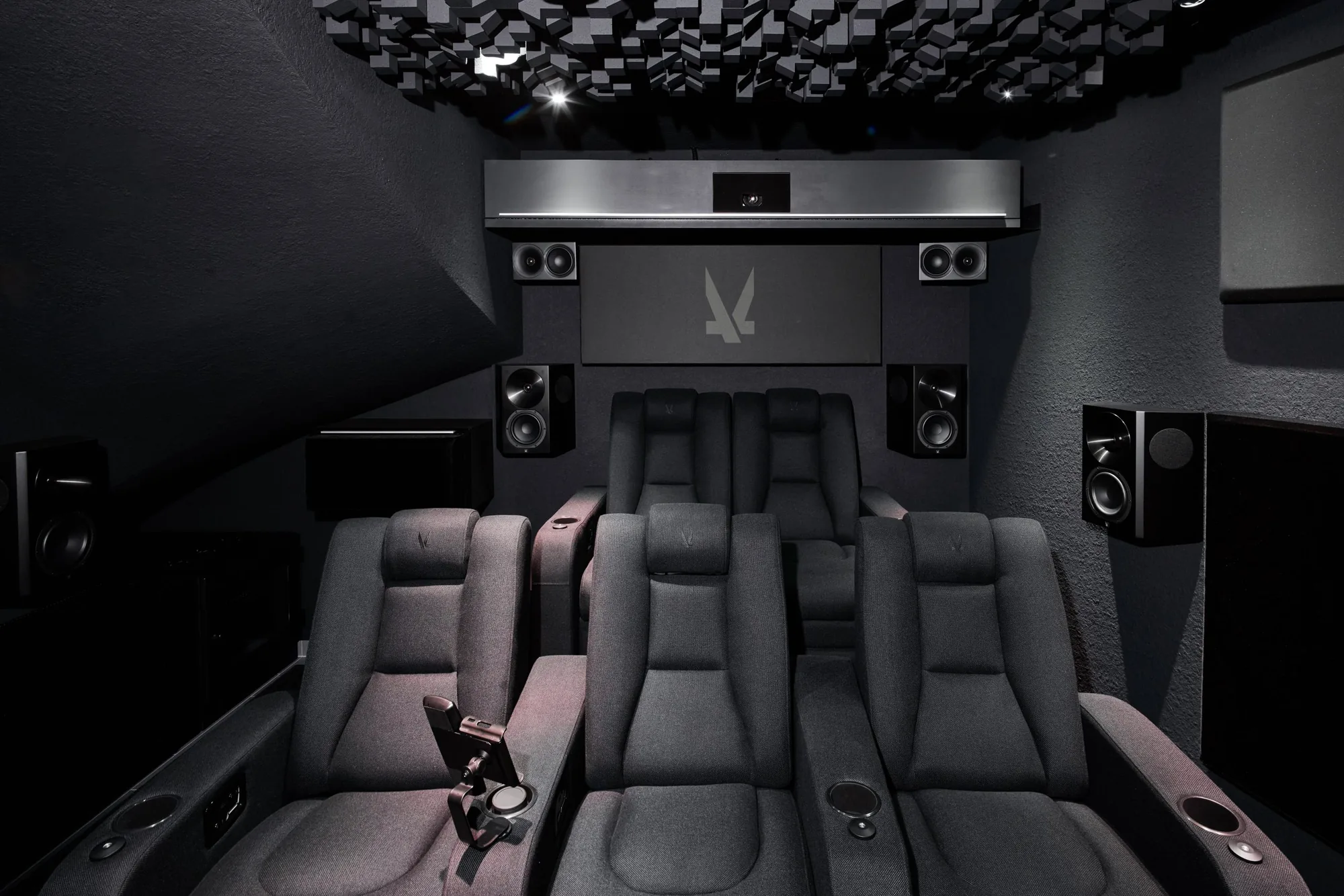
Your home theater layout significantly influences your audio-visual experience. Placement of seats and speakers can make a night and day difference in performance. Likewise, the placement and height of the screen will affect comfort. A thoughtfully designed layout can optimize your home theater, giving you a more immersive and enjoyable experience.
Screen Positioning
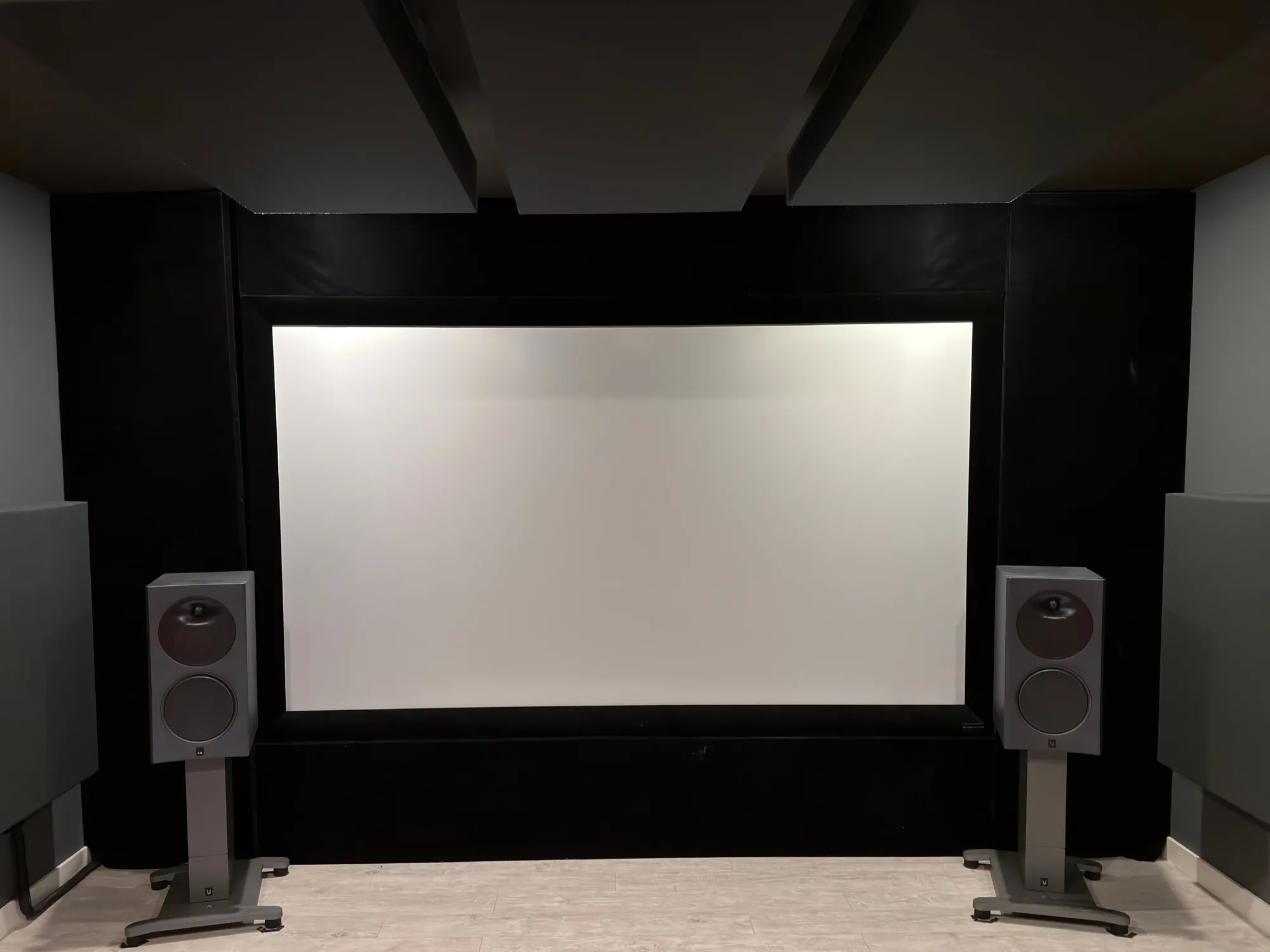
Getting the position of your screen right is paramount. A screen positioned too far away can appear too small and less detailed, affecting your viewing pleasure. Similarly, a screen placed too high or too low will cause discomfort over time, detracting from your viewing experience.
Sound Matters: Speaker Placement
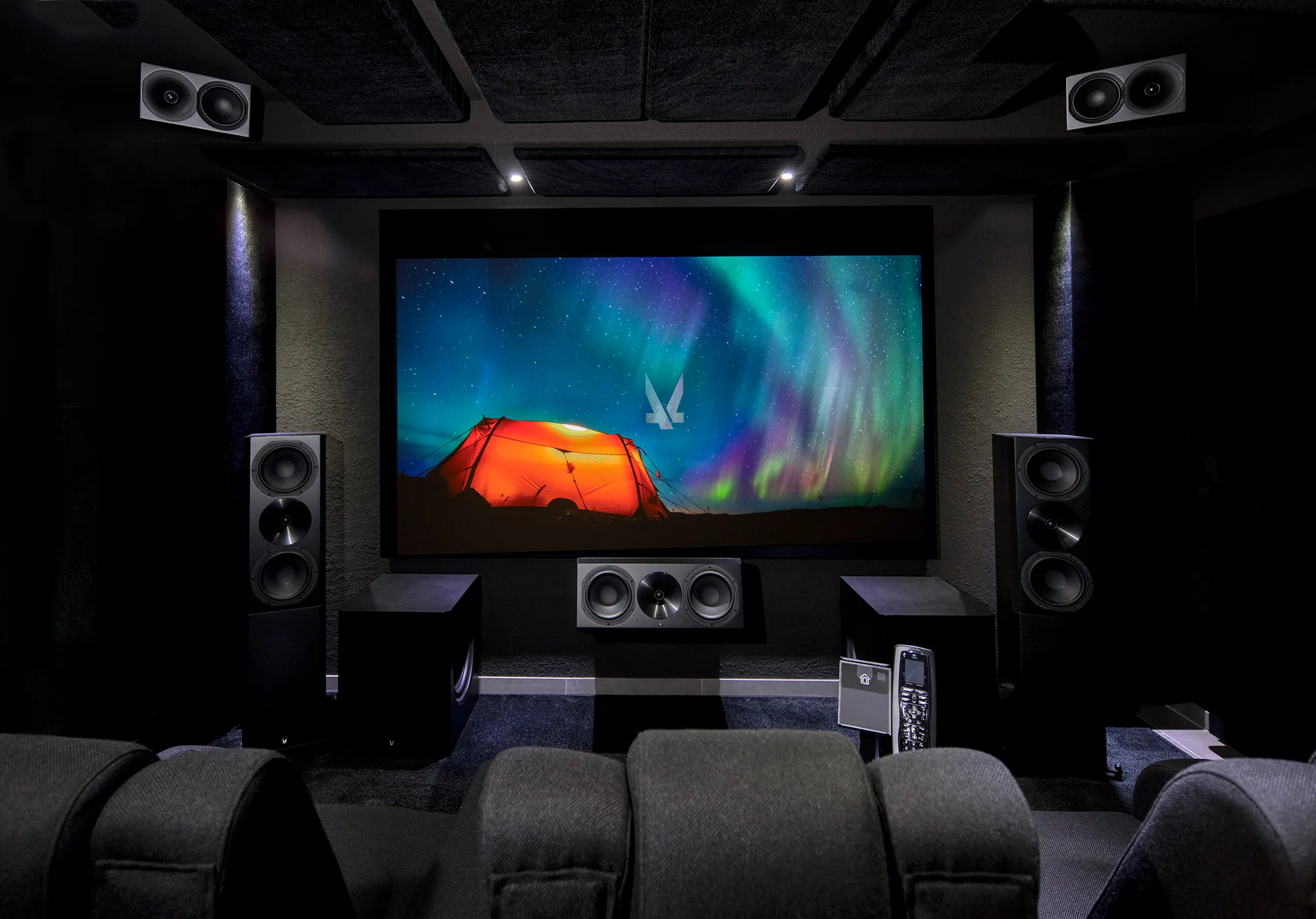
Optimal speaker placement varies from room to room, but some general rules apply. The front left/right speakers should form an equidistant triangle with your listening position for a balanced sound stage. Moreover, it’s crucial to keep enough distance between speakers and walls. A speaker too close to the side walls will lose imaging, and when placed too near to the front wall, the bass can sound muddy due to Speaker Boundary Interference Response (SBIR) issues. Avoid placing speakers inside cabinets, as this can affect the sound quality and make it sound boomy or boxy.
Your Room from Above
Screen, speakers and seats: the layout at a glance.
- Screen and center speakerOn the front wall, the center speaker just below the screen.
- An equal triangleThe left and right speakers are as far from each other as each is from the main seat.
- Space around the speakersKeep the speakers away from the side walls and the front wall.
- Away from the back wallSeats against the back wall make the bass boomy; about a third into the room is ideal.
- One main rowGet one row as close to perfect as possible.
Home Theater Seating
Seating placement is crucial to your listening experience. If seats are placed against the rear wall, the bass can sound boomy and muddy. Ideally, the main listening position should be about a third into the room. When dealing with multiple rows of seats, prioritize one row and focus on getting that as close to perfect as possible. If you try to focus on all, you’ll most likely end up with worse results for both rows. Realistically, only one row will be mostly used regardless.
Light Control
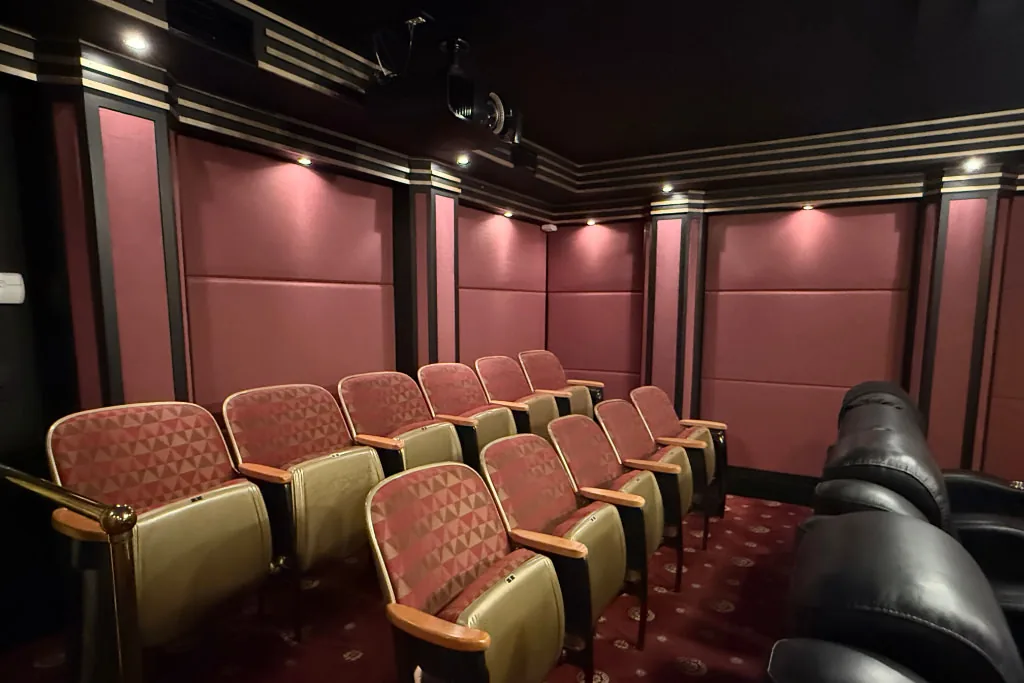
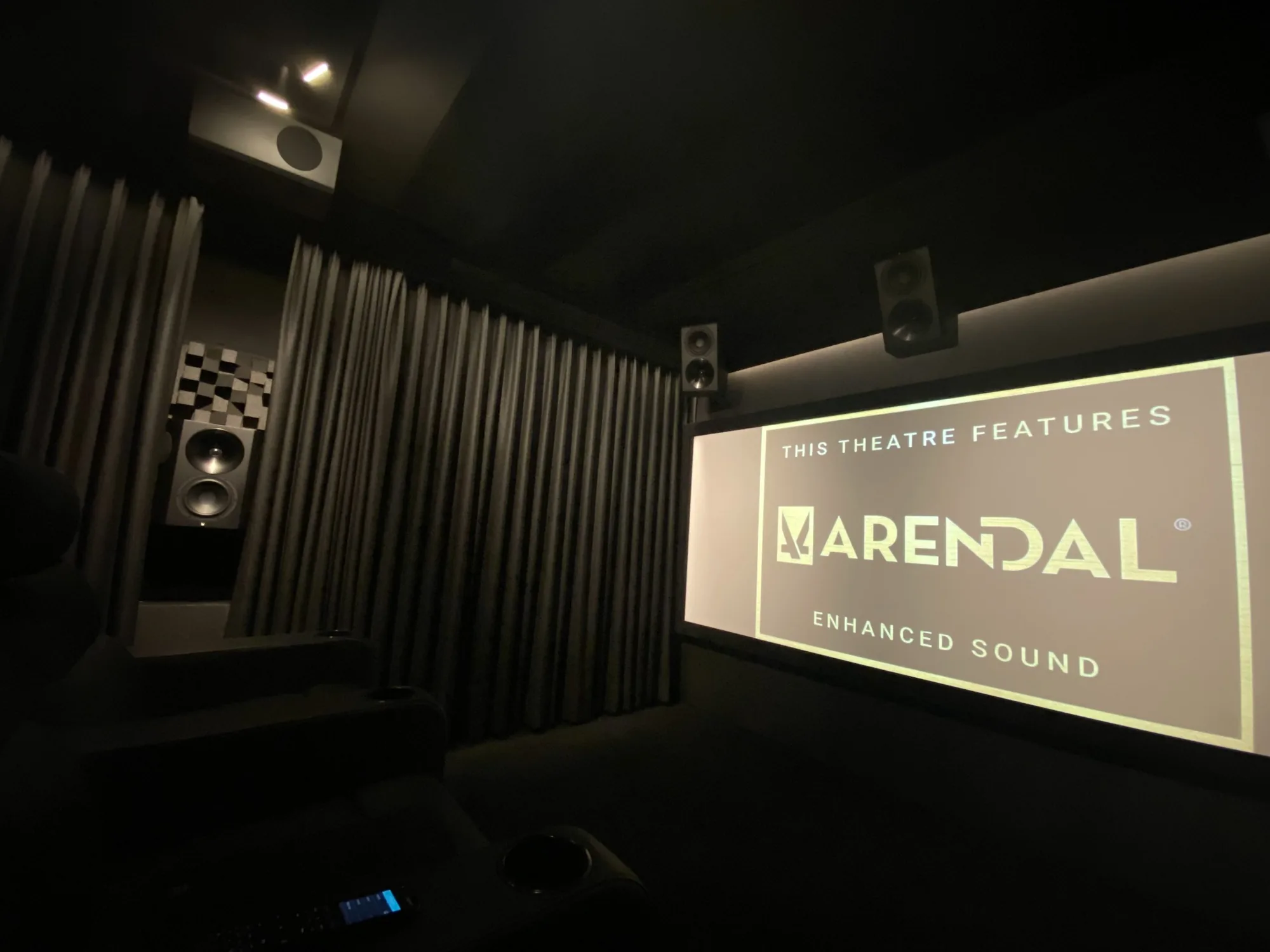
Light control is pivotal for a punchy, vibrant picture and immersive viewing experience. It’s essential to limit light from windows and to control light reflection from walls. Gray or other dark colors on the walls help prevent light pollution, which can ruin immersion and compromise the vibrancy and punchiness of the picture, especially on projector screens.
Room Shape and Size
Room shape and size are critical in acoustics. Perfectly square rooms pose significant challenges, with room mode issues being more prominent. Large rectangular rooms are typically better for sound distribution, giving you a superior acoustic experience. Larger rooms are often more difficult to pressurize in the bass department and can require multiple larger subs for optimal frequency response.
Keep Cables Out of Sight
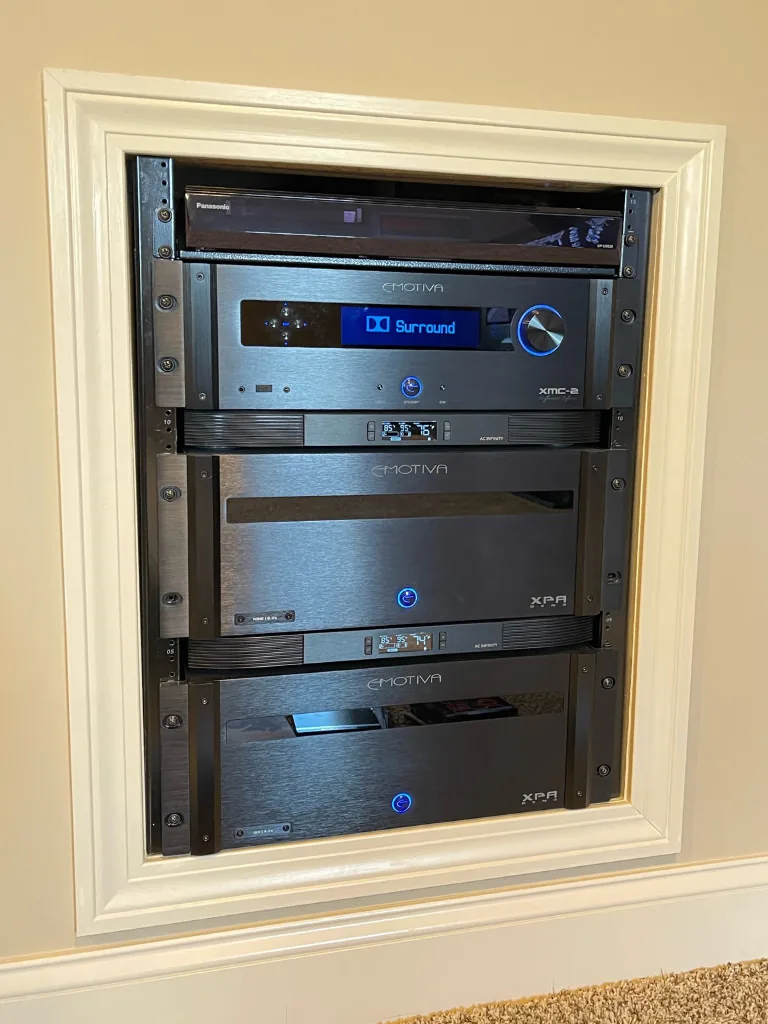
Cable management is a commonly overlooked but crucial aspect of setting up a home theater. If possible, run as many cables as you can in the walls during construction. Using conduits to add or replace cables as needed is also a smart approach. For rooms that are already built, using cable canals can be an effective way to hide and manage your cables.
Plan Your Room with Us
Tell us about your room, your screen and your seats. Our support team will help you find the right place for every speaker.